


Christmas Flower Care Tips for Canadian Winter
Christmas flowers express holiday sentiment. They brighten winter days, warm the home, and remind us of holiday gatherings. Canada has harsh winters.
Flowers travel through freezing air and enter dry, heated spaces, which dehydrate them. In just a few days, neglected blooms can wilt, darken, or lose vitality.
Flowers can last twice as long with proper care. After Christmas, roses, lilies, poinsettias, carnations, amaryllis, and winter greenery can last until the week of New Year's. They must be protected from temperature shock, water quality managed, and strategically placed in the home.
Temperature Discipline
Temperature is the strongest factor determining whether Christmas blooms survive or fail.
Flowers are tropical organisms. They do not react well to sudden exposure to freezing air. Even a short walk from the store to the car — if the flowers are unprotected — can cause permanent damage to petals. The damage may not show instantly. It often shows within a few hours, when petals begin to droop or darken.
To prevent temperature trauma:
-
Transport flowers in a protective wrap or bag to prevent damage.
-
Never leave flowers in a cold car.
-
Avoid exposing blooms to cold outdoor air for as long as possible.
-
Keep arrangements away from drafty windows or door entrances.
Inside the home, artificial heating presents the opposite extreme. Heated air is dry. Flowers need moisture. The goal is to keep flowers in a stable temperature zone — never next to heaters, vents, fireplaces, candles, or direct sunlight.
The most common mistake homeowners make is placing bouquets near a fireplace or Christmas tree lights. Excess heat silently extracts moisture and shortens bloom life.
Placement Strategy Inside the Home
Placement determines lifespan. A bouquet positioned on the dining table, away from heat sources, lasts significantly longer than one placed beside a window or heating vent. Proper placement should be treated like interior design — guided by practical, scientific awareness.
Ideal placement zones:
-
Centre of the dining table
-
Kitchen island far from appliances
-
Coffee table away from the fireplace
-
Entry table away from direct door draft
Water Management
Water control is the backbone of floral longevity.
Fresh flowers do not simply need water. They need clean water. Bacteria multiply rapidly in standing water. These bacteria block the stems’ vascular system, suffocating flowers. Proper water discipline prevents bacterial colonization.
The most effective water method:
-
Always trim stems before placing them in a vase.
-
Use clean, room-temperature water.
-
Change the water every two days minimum.
-
Re-trim stems every time the water changes.
This habit alone can increase lifespan dramatically. A single water change can revive drooping flowers within hours because oxygen pathways reopen inside the stems.
Remove any leaves sitting below the water level. Leaves submerged in water decay more rapidly and promote bacterial growth.
Floral Food, Hydration, and Professional Enhancers
Professional bouquet food is not a gimmick. It is an engineered solution that contains:
-
A sugar source
-
A balancing acid
-
A bactericide agent
Sugar fuels the bloom. Acid balances water for better nutrient transfer. Bactericide kills microbes before they spread. Many homeowners underestimate the difference floral food makes. A bouquet placed in plain tap water cannot outperform a bouquet placed in water optimized with floral nutrition.
One packet of floral food should not be used only once. It should be replaced every time the water is replaced. The “single packet for entire lifespan” assumption is incorrect and reduces the product’s scientific value.
Humidity Balance in Winter Homes
Canadian households run forced air heating continuously. This strips humidity out of the room air. Flowers need moisture retention in the petals. A small humidifier placed nearby increases air moisture and slows dehydration. This significantly increases bloom longevity without any direct contact.
For homes without humidifiers, placing bowls of water discreetly near arrangements can help raise localized humidity and benefit the bouquet.
Final Thoughts
Christmas flowers deserve more respect than simply being placed in a vase. They are not disposable objects. They are a living statement of beauty and emotion during a season where most of nature outside is silent and frozen. Flowers bring December to life. They create visual memory. They influence the emotional tone of the home.
The Canadian winter challenges flower survival, but it is not unbeatable. Proper care transforms flowers into powerful season-long décor. Water discipline, temperature protection, clean placement strategy, and bloom-specific treatment will help Christmas flowers thrive during the season and become an integral part of the holiday experience.
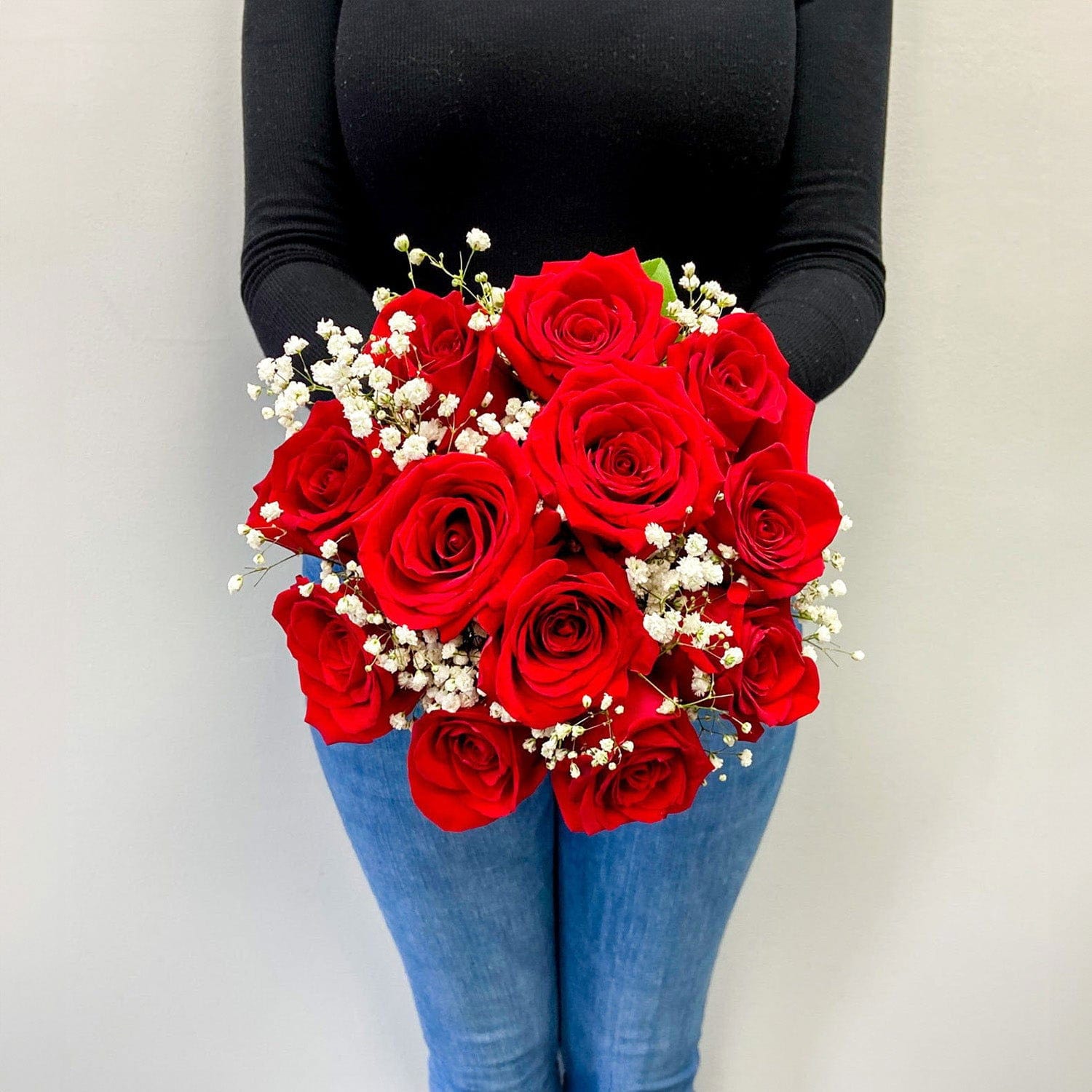
At Bloomen, we offer the freshest flowers delivered to your doorstep. The best part? We include flower food with all deliveries to ensure your flowers last longer and remain beautiful. In a month built on nostalgia, comfort, and connection, choose Bloomen for flowers to express your emotions, feelings, and more.
FAQs About Caring for Christmas Flowers in Canadian Winter
Q1. How long should Christmas flowers last in Canada with proper care?
Quality blooms can last 8 to 14 days, depending on the type, temperature, water management, bloom freshness at the time of purchase, and placement. Roses, carnations, and chrysanthemums often last the longest. Lilies and amaryllis can last long as well if protected from heated air and kept away from sources of direct sunlight, fireplaces, and the heat of kitchen appliances.
Q2. Should Christmas flowers be placed near the fireplace or Christmas tree lights?
Fireplaces, radiators, heaters, oven areas, and even tree lights generate heat that dries petals quickly. The safest placement is away from heat sources, ideally in cooler, stable air zones with indirect light. The goal is a stable temperature without extreme fluctuations.
Q3. Can flowers survive the car ride home in freezing winter temperatures?
Flowers can survive only if they are thoroughly wrapped or protected; even short exposure to freezing outdoor air can cause irreversible damage to the petals. Always keep flowers warm during transit, bring them inside immediately, and avoid leaving bouquets in cold vehicles.
Q4. How often should water be changed for Christmas bouquets?
Every 48 hours minimum. Ideally, every 24 hours. Water must stay clean to prevent bacterial buildup. Every water change should include a small fresh stem trim to reopen vascular channels inside the stem, allowing the flowers to hydrate properly again.
Q5. Are poinsettias cared for the same way as cut flowers in a vase?
A poinsettia is a plant with soil. It requires controlled soil moisture and indirect light, avoiding freezing air exposure and direct heat. Water only when the soil surface becomes dry, but never let the plant sit in standing water. Poinsettias suffer leaf drop when exposed to drafts or cold air shocks.
